Download Our Document

14 MB

Contact with
us for any
soluton

Call Anytime

+8801919135105

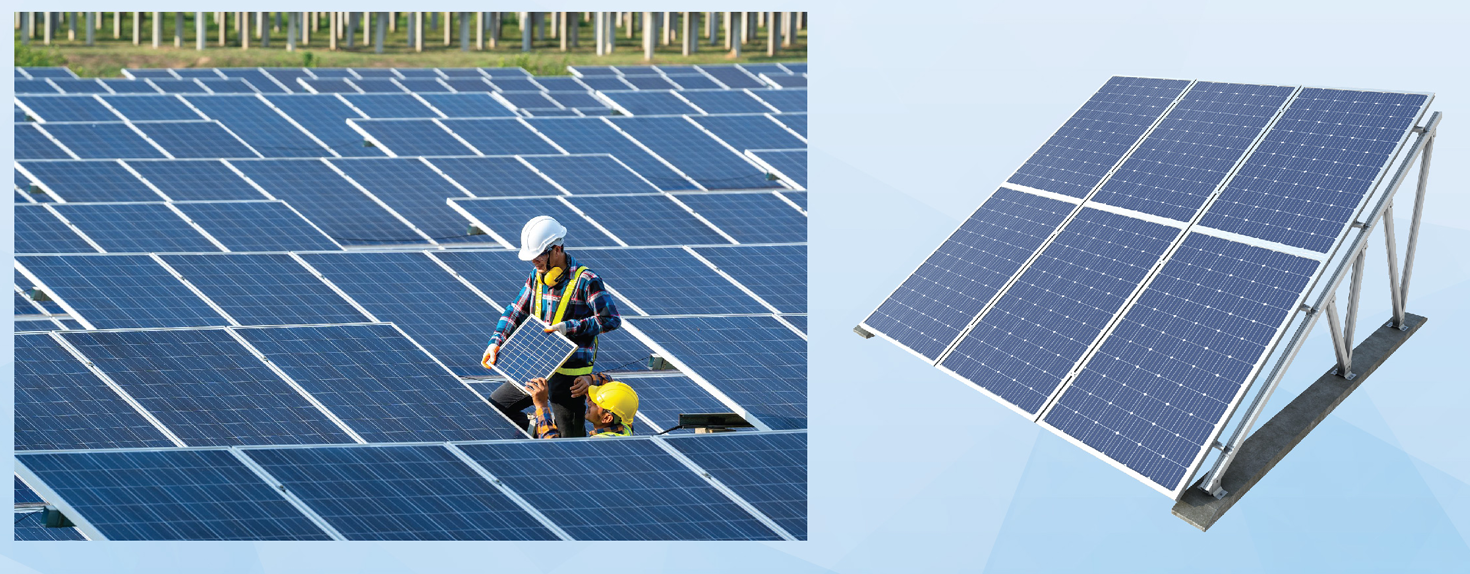
A solar power system is a renewable energy solution that converts sunlight into electricity using photovoltaic (PV) panels. It’s widely used for off-grid, on-grid, or hybrid applications, helping reduce electricity bills and carbon emissions.

Working Principle

  1. Solar Panels (PV Modules) absorb sunlight and generate DC (Direct Current) electricity.

  2. The Inverter converts DC to AC (Alternating Current) for use in homes/offices.

  3. Mounting structures hold the panels in place.

  4. Balance of System (BOS) includes cables, junction boxes, batteries (if needed), and protection devices.

  5. In grid-tied systems, surplus electricity is exported to the grid; in off-grid, it is stored in batteries.

Types of Solar Systems

TypeDescriptionUse Case
On-Grid (Grid-Tied)Connected to utility grid. No batteries.Homes, factories, offices in cities
Off-GridIndependent system with battery backup.Remote/rural areas with no grid
HybridCombines on-grid + battery backup.Critical load systems, hospitals, institutions
Rooftop SolarInstalled on building roofsResidential & Commercial buildings
Ground-Mounted SolarInstalled on open landLarge industrial or utility-scale plants
Floating SolarInstalled over water bodiesDams, lakes, large water reservoirs

Main Components of a Solar Power System

1. Solar PV Panels

  • Function: Convert sunlight into DC electricity

  • Types:

    • Monocrystalline – High efficiency (~20–22%)

    • Polycrystalline – Lower cost, ~16–18% efficiency

    • Bifacial – Captures sunlight from both sides

  • Typical Ratings: 400W – 670W per panel

  • Lifespan: 25+ years (Performance warranty)

2. Solar Inverter

  • Function: Converts DC to AC

  • Types:

    • String Inverter – For homes/commercial setups

    • Micro Inverter – Per-panel conversion (small systems)

    • Hybrid Inverter – With battery support

  • Efficiency: 95–98%

  • Protection: Anti-islanding, surge protection, overvoltage, short-circuit

3. Mounting Structure

  • Function: Supports solar panels securely

  • Material: Galvanized Iron (GI), Aluminum

  • Type:

    • Fixed Tilt

    • Adjustable Tilt

    • Tracker (Automatic sun tracking – optional)

  • Wind Load Rating: Designed for 150–180 km/h wind speeds

4. Solar Battery (Optional)

  • Function: Stores solar energy for backup or night-time use

  • Type:

    • Lead Acid (Tubular, flooded)

    • Lithium-ion (LiFePO4 – long life, compact)

  • Capacity: 1 kWh to 100+ kWh (customizable)

  • Cycles: 1500–6000+ cycles (depending on chemistry)

5. Charge Controller (for off-grid systems)

  • Function: Manages battery charging to avoid overcharging

  • Type: PWM / MPPT

  • MPPT (Maximum Power Point Tracking): Higher efficiency

6. Balance of System (BOS)

Includes:

  • DC/AC Cables

  • MC4 Connectors

  • Combiner Box / Junction Box

  • Earthing Kit

  • SPD (Surge Protection Devices)

  • MCBs, MCCBs, Fuses

  • Monitoring System (Wi-Fi/GPRS)

Sample Technical Specification – 10 kW On-Grid Solar System

ItemDescription
System TypeOn-Grid, 3-phase
PV Panels25 × 400W Monocrystalline (Total: 10 kW)
Inverter10 kW, 3-phase, string inverter
StructureGI Mounting with 15° tilt
MonitoringWiFi-enabled online portal/app
ProtectionSPD, Earthing, DC/AC isolator
Expected Generation40–45 units/day
Annual Yield14,000 – 16,000 kWh/year
Area Required~800 – 1000 sq.ft.
CO₂ Saving~12–15 tons/year
Lifespan25 years (panels), 10 years (inverter)

System Sizing Guide (Estimates)

Daily UsageSystem SizePanel Count (400W)Area Needed
5–7 units/day2 kW5–6 panels~200 sq.ft.
10–12 units/day3 kW8 panels~300 sq.ft.
15–20 units/day5 kW12–13 panels~500 sq.ft.
30–35 units/day10 kW25 panels~900 sq.ft.


Maintenance Requirements

TaskFrequency
Panel CleaningWeekly / Bi-weekly (dust-free = higher efficiency)
Visual InspectionMonthly
Inverter Log CheckMonthly
Battery Maintenance (if any)Quarterly
Earthing & SPD TestingYearly


Key Standards & Certifications

  • IEC 61215 – PV Panel Performance

  • IEC 61730 – PV Panel Safety

  • IEC 62109 / 61683 – Inverter safety and performance

  • MNRE Approved – India-specific solar approval

  • ISO 9001 / 14001 / 45001 – Quality, Environmental & Safety

  • Net Metering Policy – Local electricity board approval for on-grid


Advantages of Solar Energy

  • Reduce electricity bills up to 90%

  • Long-term investment (payback in 3–5 years)

  • Eco-friendly – zero emissions

  • Low maintenance

  • Increases property value

  • Government subsidies available (up to 40% in many regions)